Moss Is Not Mess: A Damp-Balcony Manifesto for November
November has a habit of making small outdoor spaces look accused. The pots are soggy, the railings have gone a bit furry, and there is a green tidemark creeping across the tiles. Most advice tells you to scrub it all off before it becomes a problem. I would like to offer a quieter, slightly damper alternative: leave some of it alone.
The case for a little healthy neglect
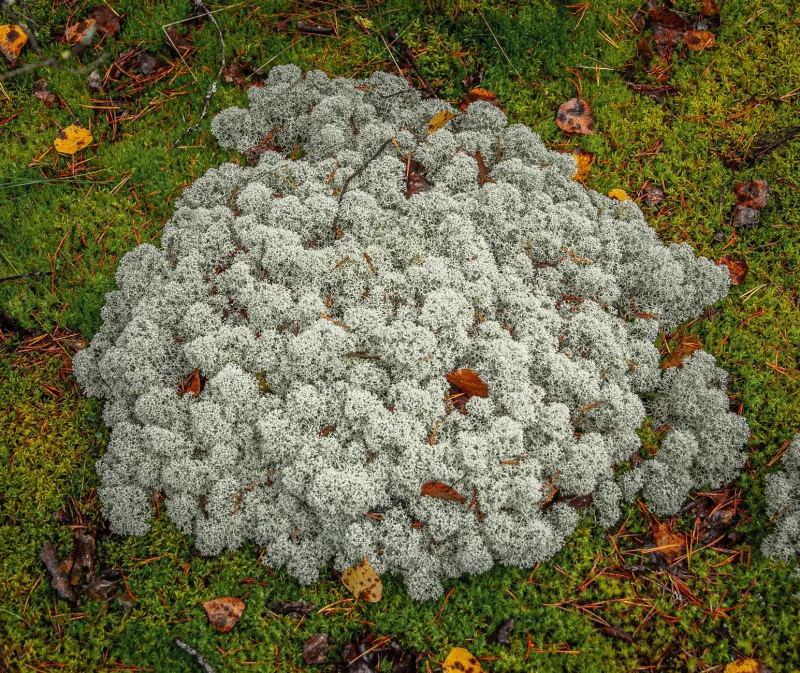
Moss, lichen and that thin film of algae on a wet balcony are not the same thing, even if they often get lumped together as ‘green gunk’. Moss is a proper little plant, soft and cushiony, with a talent for holding moisture. Lichen is a partnership between fungi and algae, and it tends to turn up where the air is reasonably clean. Algae is the slick, paint-like film that makes hard surfaces treacherous underfoot.
Only one of those is a genuine safety issue, and even then it is a question of where it grows, not whether it exists at all. A balcony does not have to be clinically sterile to be well cared for. In fact, a few damp corners with a bit of fuzz can be far more interesting than a surface that has been blasted back to bare plastic every weekend.
This is not a call to abandon your broom. It is a call to stop treating every green patch as evidence of failure. A damp balcony is not a neglected balcony. It is a balcony doing what damp balconies do.
Where the green fuzz turns up
On a typical UK balcony in November, moss tends to settle in the joints between tiles, along the base of walls, in the drainage channel, around the feet of pots and on any bit of timber that stays wet for longer than it should. Lichen often prefers railings, stone, older terracotta and the rougher side of a planter. Algae likes the flat, shaded, hard surfaces where rainwater sits: decking boards, concrete tiles, plastic trays and the little ledge where the watering can lives.
None of this is random. These growths are reading the balcony for you. They are showing you where the water goes, where it lingers and where the air moves least. That is useful information, especially in a small space where a blocked drain or a permanently soggy corner can cause real trouble.
What damp is trying to tell you
A mossy patch beside a pot is usually a sign that the pot is sitting in a puddle. A green streak under the railing suggests rain is running down and collecting there. Algae on a walkway means that surface is staying wet and shaded for long enough to become slippery. Lichen on a railing is less of a warning and more of a small compliment: it often indicates cleaner air.
So the first job is not to scrub, but to look. Are the drainage holes clear? Are the pots standing on feet so water can escape? Is the balcony sloping away from the door, or towards it? Is there a spot where leaves and compost have formed a soggy mat? Fix the cause and much of the green fuzz will thin out on its own, without you declaring war on every last patch.
Staying upright without declaring war
Safety comes first on a balcony, especially one that doubles as a route to the washing line or a place to stand with a mug of tea. Algae on a hard walking surface needs dealing with, but it does not need a chemical carpet-bomb. Start with a stiff brush and warm soapy water, then rinse carefully so the runoff does not land in your pots. Avoid bleach near plants and wildlife, and be cautious with pressure washers on older tiles or decking, which can strip surfaces and make next year’s algae problem worse.
For persistent slippery patches, use a patio or decking cleaner that is suitable for plant-adjacent areas, and follow the dilution instructions properly. A non-slip mat or a little grit on a shaded step can be more effective than an annual deep clean. Check drainage channels regularly, because moss and fallen leaves can combine into a plug. And keep moss off any surface that flexes, cracks or needs to shed water quickly.
Beyond that, you can afford to be selective. Keep the mossy joint that never gets walked on. Keep the lichen on the railing. Keep the soft green cushion around the base of a pot if it is not blocking drainage. Remove the algae from the main path, the step and the bit by the door. That is not neglect; it is editing.
Small ways to celebrate the fuzz
Once the slippery bits are sorted, a damp balcony becomes a genuinely lovely place to look at. Moss holds tiny droplets after rain, and in low November light it glows like a little green carpet. Lichen looks like a map of somewhere much older and wilder. Even a shallow saucer of algae can be a tiny pond for microscopic life, though I would not push my luck with that one over the tea table.
If you want to lean into it, try a mossy corner in a broken pot or a shallow tray, placed where it will stay damp but not waterlogged. Leave a fallen twig or a piece of rough stone in a shaded spot and see what arrives. Do not raid wild moss from walls or woodland; that is not the spirit of small-space gardening. Let the balcony make its own arrangements. Birds may pull at moss for nesting material, and damp corners give shelter to beetles, springtails and other small creatures that make a balcony feel alive.
And if you need a proper project, photograph it. A close-up of lichen on a railing is a surprisingly good November tonic, and it costs nothing. Lockdown Garden has always been about finding the garden where you already are, not waiting for the perfect lawn and the perfect weather. A damp balcony with a bit of green fuzz is exactly that: a garden that has turned up without being asked, and is doing its best.
A quieter kind of balcony garden
So this November, before the scrubbing brush comes out, take a walk around your balcony and ask what the green patches are actually telling you. Clear the drain, lift the soggy pots, make the path safe and then stop. Leave the lichen on the railing. Leave the moss in the corner. Let the balcony be damp, a little bit wild and far more interesting than a surface that has been scrubbed into submission.
A bit of green fuzz is not a mess. It is a tiny, resilient garden, and it has chosen your balcony. The least we can do is not evict it entirely.