A Supermarket Tray, Three Layers of Bulbs and a £6 November Dare
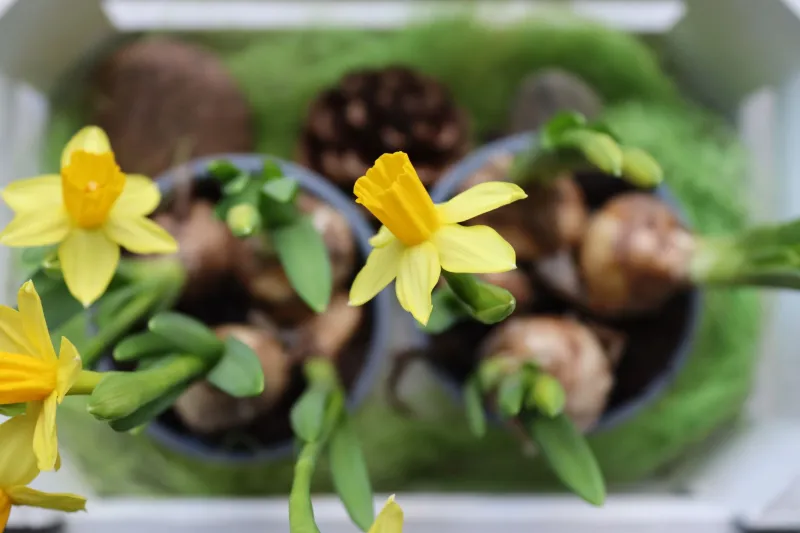
There is a particular kind of November optimism that comes from planting bulbs you cannot quite afford to be smug about. Not a matching set of heritage pots. Not a wrought-iron planter with a waiting list. Just a supermarket mushroom tray that was heading for the recycling, a few pounds of bulbs and the vague but cheerful belief that spring will turn up eventually.
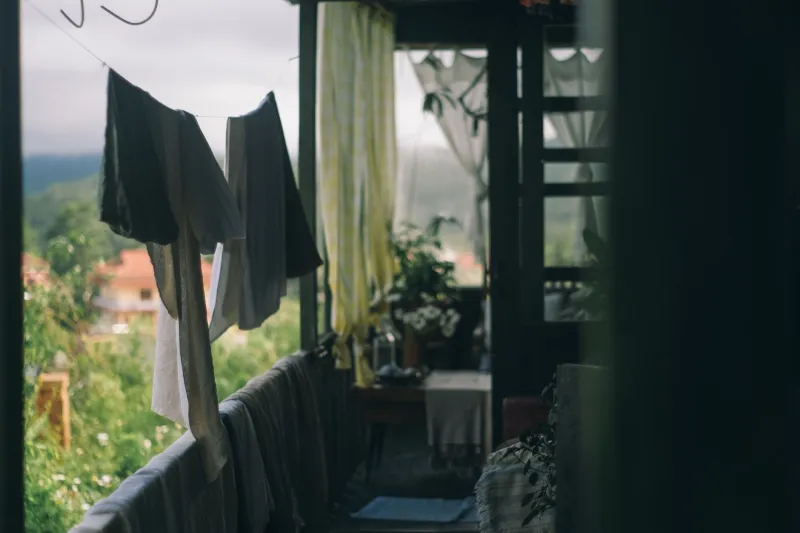
This is the £6 dare: make a layered bulb container for a balcony with no floor space, using a tray most of us already own. It is not a polished garden-centre project. It is the sort of thing you do on a damp Sunday afternoon with Radio 4 on in the background and a mug of tea going cold on the windowsill.
The tray that came home with the mushrooms
Start with the right tray. The flimsy cardboard punnet that held your mushrooms is no good — it will collapse the moment it gets wet. You want the rigid plastic tray, the deep one that sometimes holds 500g of mushrooms, or a similar shallow supermarket tray with straight-ish sides. Give it a hot soapy wash, because you do not want your spring bulbs growing in mushroom residue.
If the tray feels bendy, nest two identical trays together for strength. This is not cheating; it is engineering. The whole thing needs to sit on a ledge, a rail bracket or a shelf no wider than a paperback, so a bit of rigidity matters.
Drill first, dream later
Drainage is the difference between a spring display and a tray of sad, rotting bulbs. Turn the tray upside down and drill six to eight holes, roughly 8–10mm across, spaced along the base. No drill? A hot skewer and a patient attitude can work on thin plastic, but do it outdoors and mind your fingers.
Once the holes are in, raise the tray slightly so water can escape. Four milk-bottle caps, a couple of tile offcuts or small stones underneath will do. Then add a thin layer of grit or gravel — not enough to block the holes, just enough to keep the compost from washing out.
The lasagna, layer by layer
Bulb lasagna usually happens in a deep pot. We are doing the small-space version, so choose compact bulbs and accept that full-size tulips will sulk. Dwarf tulips, miniature daffodils and crocus are the reliable cast. A mixed bag from the garden centre bargain bin is perfect, as long as the bulbs are firm and not mouldy.
Here is the rough order:
-
Bottom layer: 4–5cm of peat-free multipurpose compost, then the tulips. Pointy end up, spaced a few centimetres apart. In a shallow tray, use dwarf tulips only. Full-size ones need more depth than this tray can honestly offer.
-
Middle layer: another 3cm of compost, then the miniature daffodils. Nestle them between the tulips rather than directly on top. They will push through at slightly different times, which is part of the charm.
-
Top layer: 2–3cm of compost, then the crocus, closely spaced but not touching. Cover with a final 2cm of compost and firm gently. You are aiming for a tray that looks like a modestly iced cake, not a bulging cushion.
Water it once, properly, then leave it alone. Autumn rain will do most of the work. The roots need a cold winter to get going, so do not bring the tray indoors and cosset it. A balcony is exactly the right kind of brutal.
Wind is the real enemy
A shallow tray is light, and light things on balconies have a habit of taking flight. Do not balance it on the handrail and hope for the best. Sit it against a wall, behind a railing, or inside a proper rail-planter cradle if you have one. If you are tying it on, use soft ties and check them after every named storm — and after the unnamed ones, which are often worse.
Once the bulbs have been watered, a couple of small stones resting on the compost surface will help weigh things down until roots take hold. Keep the tray out of the full blast of prevailing wind if you can. On a tiny balcony you will not have many options, so use the corner that gets morning sun and less battering. Bulbs are tougher than they look, but they cannot grow in a tray that has blown into the neighbour's bay tree.
The honest £6 maths
Here is the reckoning: a mixed bag of dwarf tulips, miniature daffodils and crocus can cost around £4 if you buy sensibly in November. A small bag of peat-free compost is about £1.50. Grit and a few bottle caps are pennies, and the tray is free. Total: roughly £6.
What do you get? Not a guaranteed Chelsea showstopper. In a shallow tray, expect some bulbs to rot, some to be nicked by squirrels and some to come up blind. If two-thirds of them flower, you have done well. That might mean five little tulips, six daffodils and a scattering of crocus — enough to make a grey March morning feel like a small event.
Compare that with a bunch of supermarket tulips in February. The bulbs are the cheaper dare, and they keep giving you something to look at: the first green noses in January, the fattening buds in March, the brief ridiculous colour in April.
What happens next
Label the tray if you are the sort of person who forgets what they planted. Keep it watered in dry spells, but not soggy. When shoots appear, resist the urge to tidy them or move the tray somewhere warmer. Cold is fine. Wind is the thing to watch. And when the flowers finally open, cut a few for a jam jar on the kitchen windowsill — the tray can spare them.
This is not another pot to buy. It is a rescued tray, a few pounds of bulbs and a small November gamble. On a balcony with no floor space, that is more than enough to look forward to.