The Tiny Windowsill Harvest That Keeps Me Sane Until Spring
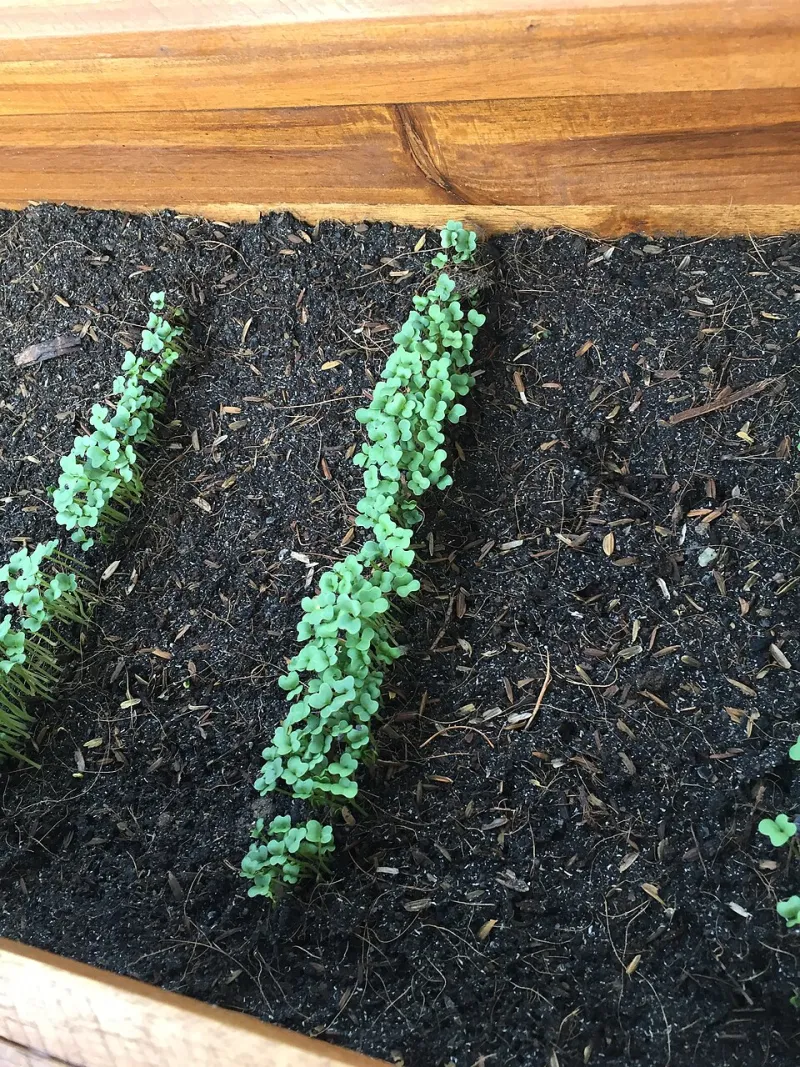
Photo: Zenyrgarden, CC BY-SA 4.0, via Wikimedia Commons
I am going to say something that might sound dramatic for a gardening website: microgreens have saved my winter. Not in a life-or-death way. In a “the days are short, the balcony looks sad, and I need something green to fuss over” way. Which, in November, is no small thing.
This is an opinion piece, so let me be clear about the opinion: if you have a windowsill and a spare ten minutes, you should be growing microgreens this month. Not because they are fashionable. Not because they are expensive little garnishes for people with fancy kitchens. Because they are the cheapest, fastest, most mood-boosting crop available to a UK small-space gardener when the outdoor season has packed up and gone home.
The case for tiny, fast and faintly ridiculous
Outdoor growing in November is an exercise in patience. The pots are mostly dormant. The herbs are sulking. The light is thin and the soil is cold. I love a slow gardening season as much as anyone, but there is only so much staring at a dormant rosemary bush a person can do.
Microgreens are the opposite. You sow a tray, you wait a week or two, and you cut a tiny forest of green. The feedback loop is gloriously short. In a month when everything else is winding down, that feels like a small act of rebellion.
They also take up almost no space. A windowsill is enough. A few supermarket trays are enough. You do not need a grow light, although a bright south-facing window helps. You do not need a greenhouse, a heated propagator or a single piece of specialist kit. You need seeds, something to sow them in, and the willingness to water a tray on a windowsill.
What you actually need (and what you can ignore)
The internet will try to sell you a lot of things. Ignore most of them. Here is my entirely unscientific, low-cost setup.
Start with containers. Mushroom trays, foil roasting trays with a few holes punched in the bottom, old seed trays, even the plastic punnets from supermarket tomatoes. Wash them, add drainage holes if they do not have them, and you are in business. A shallow tray is better than a deep pot: microgreens have shallow roots and you want to harvest them before they run out of steam.
Use a light seed compost or a mix of compost and vermiculite. You do not need a rich, heavy potting mix. Sow the seeds fairly densely—more than you would for normal growing—because you are harvesting the whole tray at once, not growing plants to maturity. Press them gently into the surface, cover with a fine layer of compost, and water gently. A spray bottle is less brutal than a watering can at this stage.
Keep the tray warm and dark until germination. A cupboard, a spare room, a dark corner of the kitchen—anywhere that is not freezing. Once the seeds have sprouted, move the tray to the brightest windowsill you have. Turn it every day or two so the shoots do not lean permanently towards the glass. Water from the bottom if you can, or water carefully around the edges. Damping off is the main risk, so good airflow and not drowning them matter more than any fancy feed.
Seeds that earn their windowsill space
Not every seed is worth your time in a small indoor setup. My reliable favourites are pea shoots, radish, broccoli, kale, cress and mustard. Pea shoots are the most satisfying: sweet, crunchy and quick. Radish is peppery and almost absurdly fast. Broccoli and kale are the sensible ones—mild, nutritious and surprisingly generous. Cress is the nostalgic one, the school-project crop that still delivers. Mustard is the one that tastes like wasabi and makes you feel alive.
Avoid anything that needs a long season or deep roots. You are not growing a cabbage. You are growing a garnish with ambitions, and that is the correct energy.
The mood maths of a November windowsill
Here is the part that matters most to me. In November, the UK daylight fades fast, and many of us spend more time indoors than we would like. A tray of microgreens on the windowsill is a small, living reminder that things are still growing. It gives you a reason to check the light, to water something, to notice a change. It is a tiny daily ritual that costs pennies and pays back in cheer.
I am not going to pretend microgreens will fix the darker months. But they do something quietly useful: they keep you connected to growing when the outdoor garden is having a rest. They turn a windowsill into a productive space. They make a sandwich feel like a harvest. And they are a perfect expression of the lockdown gardening spirit—make do, grow small, and find the joy where you can.
Do not overthink it
If you have been meaning to try microgreens and have spent weeks reading about the perfect setup, please stop. Buy a packet of pea shoots or radish seeds, find a tray, sow them this weekend, and see what happens. Some trays will fail. Some will bolt or go mouldy. Start another one. That is the whole method.
It is November 2026. The balcony is winding down. The windowsill does not have to. A tiny indoor harvest is waiting, and it is much more fun than staring at a dormant rosemary bush.