Brown Paper, Jam Jars and Patience: Forcing Hyacinths on a November Windowsill
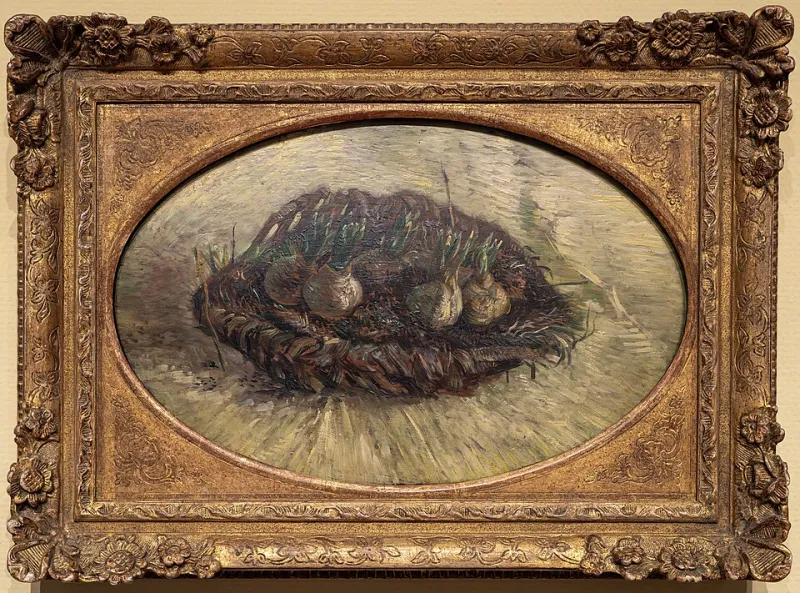
Photo: GoldenArtists, CC BY 4.0, via Wikimedia Commons
There is a particular kind of November optimism that lives in a paper bag. You know the one: a net of hyacinth bulbs from the supermarket, bought on a grey Saturday because they looked cheerful next to the sprouts, then carried home on the bus and forgotten about until the bag goes soft at the bottom of the cupboard.
This is a guide to turning that bag into scent. Not in a garden you do not have, not in a greenhouse you have nowhere to put, not on an allotment you are still third on the waiting list for — but on a windowsill in a flat, in a city, in the middle of winter.
Why hyacinths, and not something easier?
Because they are the most forgiving bulbs in the shop. They do not need soil, they do not need heat, and they do not need you to be any good at this. A jam jar of water and ten weeks of doing almost nothing will get you a spike of flowers so fragrant that visitors will ask what you have been up to, and you will have to admit: nothing, honestly.
They also cope with the thing most British flats have in abundance — a chilly, draughty windowsill above a sash window that has never quite closed properly. That is not a problem here. That is basically a cold frame.
The shopping list (roughly a fiver)
- Prepared hyacinth bulbs. The word to look for on the net is prepared. It means the bulbs have been heat-treated so they will flower early indoors. Ordinary garden bulbs will force too, but they take longer and sulk more.
- Clean jam jars, one per bulb, or small pots with drainage holes and peat-free compost if you would rather grow in soil.
- A brown paper bag. The one the bulbs came in is ideal.
- A dark cupboard that stays cool. Understairs, an unheated spare-room wardrobe, a garage shelf, the bit of the hall where the coats live.
- A windowsill away from a radiator. More on that later, because it matters more than anything else on this list.
Step one: be fussy about the bulbs
Pick out the firm, heavy ones. Papery skins, no soft patches, no blue-green fuzz, and ideally a little disc of dried roots at the base. Bulbs that feel like a slack balloon will rot rather than flower, and they will do it in a jar of water you then have to clean out.
Step two: jar them up
Fill a clean jam jar with water until the level sits just below the base of the bulb. The bulb must hang above the water, not sit in it — roots will reach down on their own, but a bulb sitting in water will simply go soft and horrible.
If the jar neck is too wide, rest the bulb in a ring of scrunched foil, or use the top half of a plastic bottle flipped into the bottom half. Prefer compost? Pot the bulb with its nose just above the surface, water once, and leave it be.
Step three: the paper bag fortnight
This is the trick, and it is not really a trick at all. Slide the whole jar into the brown paper bag and fold the top over loosely. Dark, but not sealed — air needs to move or you will get mould.
Then put it in the coolest dark spot you have and wait. Roots should appear in two to three weeks, a green nose pushing up in six to eight. Total time in the dark: eight to ten weeks. Top the water up every week or so, keeping it just below the base.
Please do not skip this bit. A warm dark cupboard gives you pale, weak, stretched stems that flop over the moment you bring them out. Cool and dark together is the whole point.
Step four: the big reveal
When the shoots are about 5cm tall and the jar is full of roots, bring it out. Put it somewhere bright and cool — a windowsill in an unheated bedroom is perfect, a kitchen one above a radiator is not.
Turn the jar a quarter-turn each day so the spike grows up rather than sideways, and if it starts to lean, loop a bit of string around it and tie it to a chopstick. Flowers usually open three to four weeks after the reveal, which means a mid-November start lands you in mid-to-late January. Right when you need it most.
The troubleshooting corner
White fluff on the bulb
A little mould on the dry outer skin is completely normal in a damp cupboard. Wipe it with dry kitchen paper, peel off the loose outer layer, and let more air in. Never mist a bulb in the dark. If the fuzz is on the fleshy base of the bulb itself, though, that one is a goner — compost it and move on.
Stems like spaghetti
Too warm, too dark, or left in the cupboard too long. Move it to the brightest cool spot you have, stake it early, and next year shorten the dark spell by a fortnight.
The central heating problem
This is the big one for flat-dwellers. A windowsill directly above a radiator will give you fast, floppy growth, compost that dries out in a day, and flowers that last about four days. Better options: a cooler room, a north-facing kitchen window, or a windowsill in a room you only heat in the evening. If all your sills are radiator-adjacent, bring the bulbs out later so the display is shorter but the flowers are sturdier.
The water smells, or the bulb feels soft
Tip it out, rinse the jar, start again with fresh water. A soft bulb is rot and no amount of patience will fix it.
A realistic timeline
| When | What is happening |
|---|---|
| Mid-November | Buy bulbs, jar them up, into the paper bag |
| Late November to December | Roots forming in the dark, water topped up weekly |
| Early January | Shoots out, bag off, onto a cool bright sill |
| Mid to late January | Flowers open, room smells ridiculous |
| February | Spent flower cut off, leaves left to die back |
Make two, give one away
A hyacinth in a jam jar is one of the few genuinely lovely things you can produce in a small flat in the depths of January, and it costs about the price of a coffee. Do a second one for the neighbour who takes in your parcels, or the person on the third floor who never seems to open their curtains. Then all you have to do is wait, which is the easy bit — and the whole point.