Misty Panes, Thirsty Pots: A November Airflow Audit for Tiny Balconies

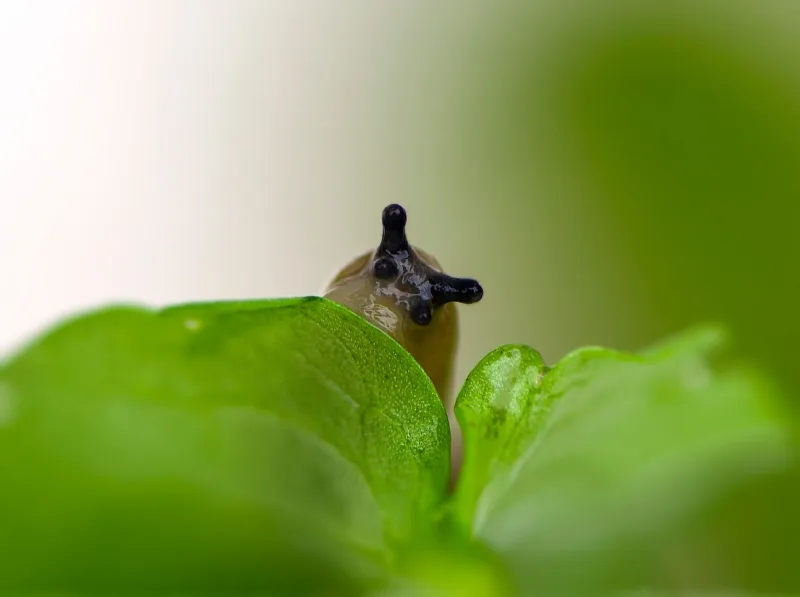
Photo: Dreamora96x, CC BY 4.0, via Wikimedia Commons
There's a particular kind of November morning when you pull back the curtain and your balcony looks like it's been breathing on the glass all night. The window is fogged, the balustrade is beaded, and the pots sit in a little cloud of their own making. It can feel like a small defeat — another grey thing to wipe down before breakfast. But that fug is actually talking to you. Think of it as a compass: it points towards the corners that need more air, the pots that are being over-enthusiastically watered, and the plants that are quietly loving the damp.
This isn't about turning your balcony into a laboratory. It's about noticing what's already happening, then making a few cheap, cheerful tweaks before winter properly settles in.
The morning breath test
Before you do anything useful, go and look. Not with a cloth in your hand — just look. A proper breath test takes about sixty seconds and works best before the heating has been on for hours.
Stand at the balcony door and check three things: where the glass is wettest, whether the moisture is on the inside or the outside, and which pots have damp rings beneath them. Inside condensation usually means warm, moist air is hitting cold glass. Outside condensation on a balustrade or window is more about the night air and how quickly things cool down. Neither is automatically bad, but both are clues.
Then breathe on a patch of glass yourself. If your breath clears slowly, there's not much air moving. If it vanishes quickly, you've got a draught — which is good for damp, less good for tender plants. That's your first reading. No equipment required, just a slightly steamed-up face and a cuppa waiting indoors.
What the fog is actually saying
Condensation is simply water that was in the air and has decided to sit down. On a balcony, that happens when warm, damp air meets a cold surface — glass, metal, a glazed pot, the underside of a saucer. The more pots you crowd together, the more micro-habitats you create. Some will be breezy and bright; others will be still, soggy and secretly begging for less water.
This is why two identical pots on the same balcony can behave completely differently. The one tucked against the wall behind a storage box might stay wet for days, while the one near the railing dries out before lunch. Fog on the glass is often the first visible sign that one corner is holding onto moisture while another is getting plenty of air. It's not a problem to be scrubbed away — it's a map.
Spacers, saucers and the humble bottle cap
You don't need a fancy kit to improve airflow. You need space. Pots pressed against glass, walls or each other create little pockets where damp air lingers. Pull them forward by a few centimetres. Leave a gap between the back row and the balustrade. If you've got a cluster of pots on a shelf, stagger them rather than lining them up like tiny soldiers.
Then look underneath. A saucer that catches water is useful in summer, but in November it can keep compost soggy for far longer than you'd think. Empty saucers after rain, or raise pots on spacers so they're not sitting in their own drainage. Cheap options include pot feet, cork mats, wooden battens, plastic lids, or even a few bottle caps glued to a spare tile. The aim is simple: let air get under the pot as well as around it.
If your balcony has a glass balustrade, don't stack pots right against it. That's prime condensation territory. A small gap improves airflow and makes the whole thing look less like a jumble sale. And if you're using a windowsill or ledge, a cheap wire rack or a couple of wooden strips can lift small pots out of the puddle zone.
A corner-by-corner guide to your balcony's damp habits
The sheltered corner. Every balcony has one — the spot behind the door, beside a wall, or tucked under an overhang. It's cosy for you and cosy for damp. Expect slower drying, more fog and more chance of mould on saucers. Move thirsty plants here if you're forgetful with the watering can, but keep succulents and Mediterranean herbs well away. Check it weekly and empty any standing water.
The windy edge. This is the spot near the railing or the open end of the balcony. It dries out fast and condensation rarely hangs around. Good for rosemary, thyme and anything that hates wet feet. Less good for delicate winter salads that might get battered. Use it for pots that need air, but weigh them down or choose heavier containers so they don't take a tumble.
The glass-side strip. Pots lined up against a glass balustrade or window often show the first signs of condensation because the glass cools quickly. This is a classic overwatering trap: the compost stays damp, the glass stays wet, and the plant sits in a fuggy little bubble. Pull pots forward, raise them slightly, and water less than you think.
The door-side drop zone. Wet boots, dripping coats and a watering can that never quite empties — this corner gets moisture from you as well as the sky. If it's also shaded, it'll be the dampest spot on the balcony. Keep it clear, use a small tray you can empty easily, and don't store compost bags there unless they're properly sealed.
Plants that love the fug — and those that don't
Damp-loving plants can be your allies in these misty corners. Ferns, moss, mint and some sedges will cope with more moisture than a lavender ever would. But even they don't want to sit in stagnant water. The difference between a happy damp corner and a rotten one is airflow. If the leaves stay wet and the air doesn't move, you're asking for trouble.
Mediterranean plants — rosemary, thyme, oregano, lavender — want the windy edge and a free-draining mix. Succulents and cacti want bright light and dry feet. Winter salads and leafy greens are somewhere in the middle: they like moisture but not a swamp. Use the fog on the glass as a prompt to check the compost beneath the surface, not just the top. If it's claggy an inch down, hold off the watering can.
The five-minute November reset
Once a week, do a quick circuit. Wipe the worst of the condensation from the inside of the glass if it's blocking light. Empty saucers that have filled up. Nudge pots apart. Pick up fallen leaves that are trapping damp against the compost. Turn a pot a quarter turn so the same side isn't always facing the glass. Chuck any mouldy bits of debris into the food waste, not back onto the soil.
None of this is glamorous. But it's the sort of small, steady attention that keeps a tiny balcony healthy through winter. And there's a quiet pleasure in it, too — noticing the difference between a corner that's simply cold and one that's asking for help. Your foggy glass isn't a failure. It's a compass. Follow it, and your pots will thank you come spring.