The Ten-Minute Night Shift: A Torch, a Tin Lid and the Winter Salad That Lives to Tell the Tale
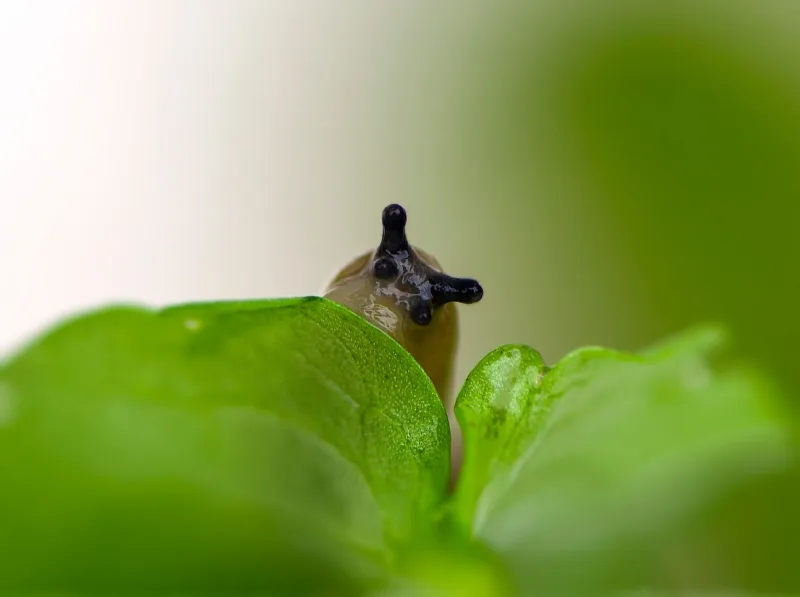
By mid-November 2026, the balcony has settled into its after-dark season. Daylight slips away while you are still deciding what to have with pasta, and by 10pm the windows are black mirrors. This is when the slugs clock on.
If you are growing winter salads in pots, you will know the feeling. You go out in the morning and find a lettuce that looked perfectly decent the night before has been turned into a small green doily. The culprit is long gone. The evidence is a few silver trails and a suspiciously smug looking compost surface.
So here is the Lockdown Garden approach: not a chemical offensive, not a wartime campaign, just a ten-minute night shift with a torch, a repurposed tin lid and a yoghurt pot. It gets you outside on the soggiest evenings, gives you something to mutter about, and saves a surprising amount of winter lettuce.
The case for a ten-minute torch walk
Small-space growing is all about margins. On a balcony, you do not have a whole vegetable patch to sacrifice to the slug population. A single pot of winter density lettuce or a tray of mizuna might be your entire salad supply for a fortnight. Losing it to nocturnal nibbling feels personal.
Pellets are the traditional answer, but they are not always a comfortable fit for a balcony. Pets, children, neighbours and the general business of sharing a small outdoor space all make the scattergun approach less appealing. A torch and a tin lid will not wipe out slugs, and that is not really the point. The point is to interrupt the buffet, reduce the damage and get a bit of fresh air while doing it.
Think of it as a census with consequences. You are not trying to achieve a zero-slug balcony. You are trying to make your winter salads slightly less convenient to reach. That is a more realistic goal, and a much more cheerful one.
The kit: torch, tin lid, yoghurt pot
You do not need much. A small torch is ideal, though a head torch is better if you want both hands free. A phone torch works in a pinch, but it lights up the whole street and makes you look like you are filming a low-budget crime documentary. A clean tin lid from a baked bean or soup can is the unsung hero. It gives you a shallow tray to slide under lifted pots and a safe landing place for anything you find. Keep a yoghurt pot nearby for the trap and a bit of kitchen roll for the less pleasant encounters.
A pair of gardening gloves is optional. So is a mug of tea, though it improves morale. What you do not need is a salt shaker. Salt is effective on slugs, but it is also indiscriminate and can make a mess of your compost and pots. This is a relocation and interruption exercise, not a crime scene.
The route round the pots
Start at the edge of the balcony, where the slugs tend to arrive. Lift each pot if you can and check underneath. That is where the tin lid earns its keep: slide it under the pot as you tilt it, so anything lurking beneath drops onto the lid rather than onto your feet. Check the rim, the drainage holes and the first centimetre of compost. Slugs love a damp rim and a shady little gap.
Then look at the leaves. Holes near the base are a clue. So are those silvery trails that catch the torchlight. Do not expect to find a slug every time. Sometimes the patrol is just a walk. That is fine. The point is to keep turning up, because the slugs are certainly turning up.
Move along the pots in the same order each night. It sounds fussy, but it turns the job into a route rather than a random rummage. You will start to notice which pots are the trouble spots: the one behind the watering can, the saucer that never quite dries out, the corner where the rain blows in. That is useful information for next year, too.
The yoghurt-pot trap and the tin lid's second job
For the salad pots that keep getting hit, a simple yoghurt-pot trap is worth trying. Take a clean yoghurt pot, sink it level with the compost in a larger planter, or place it snugly between pots. Half-fill it with a little beer or a yeast-and-sugar solution. Slugs are drawn to the smell, and the pot gives them a place to investigate that is not your lettuce.
Here is where the tin lid comes back for its second shift. Perch it over the top of the yoghurt pot like a tiny roof, leaving enough gap for slugs to get in. This stops the rain diluting the trap and stops the trap becoming a small, unpleasant paddling pool. Empty it every morning into a bag or a bucket, and reset it in the evening. If you have pets or children, keep the trap covered and out of the way, and skip the beer in favour of the yeast mix if that feels simpler.
The trap is not a magic wand. It is a useful nudge. Combined with the torch patrol, it means fewer slugs are finding their way to the good stuff.
What success actually looks like
Success is not an empty balcony. It is a lettuce with a few holes rather than no leaves at all. It is a tray of winter salad that makes it to the kitchen. It is the small satisfaction of lifting a pot and finding the tin lid empty because you got there first.
You will still lose something. That is gardening. But the ten-minute patrol shifts the balance. It also gives you a reason to step outside on evenings when you would otherwise just close the curtains and forget the balcony exists. In November, that is worth something on its own.
A ritual with a bit of cheer
There is something pleasantly ridiculous about standing on a dark balcony at 10pm in a coat, shining a torch at a pot of lamb's lettuce. It is not glamorous. It will not make you a gardening influencer. But it is a small, repeatable act of care, and it keeps you connected to the growing season even as the light disappears.
So leave the torch by the back door, rinse out a yoghurt pot and keep a tin lid handy. Ten minutes, once the darkness has settled. Your winter salad might never know how close it came, but you will.